

CONFERENCE PROGRAM
EURATEX brings you a full day of debates on the new paradigm for the European textile and clothing companies.
The conference on Tuesday 9 November will take place in the Antwerp Hilton Hotel , in the heart of the city.
The programme will include both plenary sessions with keynote speakers , and parallel breakout sessions with technical experts from the industry and EU institutions. A networking cocktail will offer an opportunity for further exchange, at the end of the day.
|
Time |
Session |
Overview
|
Speaker |
|
09:00 - 09:05 |
Welcome |
Welcome to all participants.
|
Alberto Paccanelli (EURATEX President) |
|
09:05 - 09:10 |
Keynote Video Message |
Setting the scene.
|
Thierry Breton (European Commissioner for Internal Market) |
|
09:00 - 10:00 |
Opening Session |
What are the future challenges for textile and apparel companies? Follow the panel debate with visionary CEOs. |
Claudio Marenzi
(CEO of Herno)
Verena Thies (CEO of Theis) Robert Van De Kerkhof (CCO of Lenzing)
|
|
10:00 - 10:30 |
Coffee Break |
|
|
|
|
Morning Workshops |
|
|
|
10:30 - 11:30 |
Traceability |
Traceability becomes an essential condition in the textiles and apparel industry, with applications into the EU’s due diligence proposals and the digital product passport. How to prepare for that development and which technical options exist already today? |
Maria Teresa Pisani
(Economic Affairs Officer, UNECE)
|
|
10:30 - 11:30 |
Textile waste recycling
|
As of 2025, the collection of textiles will be mandatory across Europe. What will happen with collected textiles and how is the industry preparing itself to turn this valuable resource into a new business model? |
Matteo Magnani
(Ellen MacArthur Foundation, Project Manager)
|
|
10:30 - 11:30 |
Going global |
Can European companies conquer new markets , open facilities in other countries and at the same time keep their European ones? How does it fit into the European Trade policy ? |
Otakar Petracek (Mileta, Chairman)
Dirk Vantyghem (EURATEX, Director General)
|
|
11:45 - 12:45 |
EU-Turkey Relations |
Apparel and textile industry of Turkey is an integrated industry with the EU in many terms. The current political, legal and business environment, from EU-Turkey Customs Union modernization to the implications of EU Green Deal, is highly affecting the industry relations between the EU and Turkey and creates challenges. Within this environment, which strategies should be adopted to build further connection between the apparel and textile industries of the EU and Turkey is an important point of discussion. |
Bülent Özipek (
Board Member, ITKIB)
|
|
11:45 - 12:45 |
The skills challenge |
Attracting young skilled workers is becoming the most important challenge for to the industry. Moreover, the new workforce needs to have digital and green skills. How can education and companies work together? How can the EU help solving the issue? |
Roger Gerards
(Director, Master Tailor Institute Amsterdam)
|
|
11:45 - 12:45 |
Product Environmental Footprint (PEF) |
Measuring the environmental impact of products remains a major challenge. The
Product Environmental Footprint (PEF)
method aims to help consumers recognising sustainable products and to support companies against greenwashing. How does PEF work in practice and what it can/cannot deliver?
|
Andrea Crespi
(Eurojersey, CEO)
|
|
13:00 - 14:00 |
Lunch |
|
|
|
|
Afternoon Workshops |
|
|
|
14:30 - 15:30 |
EU funding and programme opportunities |
The new
EU Budget
offers a wealth of programmes where T&C can benefit from (innovation, digitalisation, etc.). Which are the most relevant programmes and how to successfully participate?
|
Lutz Walter
(ETP, Secretary General)
Jan Laperre (Centexbel, General Manager) |
|
14:30 - 15:30 |
The new EU chemical strategy |
The strategy foresees an action plan to phase the most hazardous substances out of the market, including PFAS – the use of which will be allowed only if essential. Amongst the challenges: better enforcement , setting criteria for safe-and-sustainable by design chemicals, revision of REACH, strengthening the investment capacity of the industry, etc.
|
Sylvie Lemoine (CEFIC, Executive Director Product Stewardship)
Leigh Stringer (Chemical Watch, Managing Editor Europe) |
|
14:30 - 15:30 |
Energy efficiency and decarbonisation |
The European Commission launched its " Green Deal Package (former "Fit for 55" package), which aims to align EU rules with the newly agreed 55% emissions reduction target for 2030. The package will look at revising the ETS system, preparing for the introduction of a Carbon Border Adjustment system (CBAM), revising the Effort Sharing Directive and more. What will be the impact on T&C companies? How should we be prepared? |
Michael Engelhardt (Senior Expert Energy and Climate Policy, T+M)
Cecilia Tall (Secretary General, TEKO) |
|
15:30 - 16:00 |
Coffee break
|
|
|
|
16:00 - 17:00 |
Closing Session |
Can the industry come up with a new business model able to tackle all these changes? Speakers from the 9 workshops will present the debate in their own workshop, the challenges and solutions. |
|
|
17:00 - 18:00 |
Networking Cocktail |
Finally, a moment to relax and enjoy the company of all participants! |
|
Our Sponsors


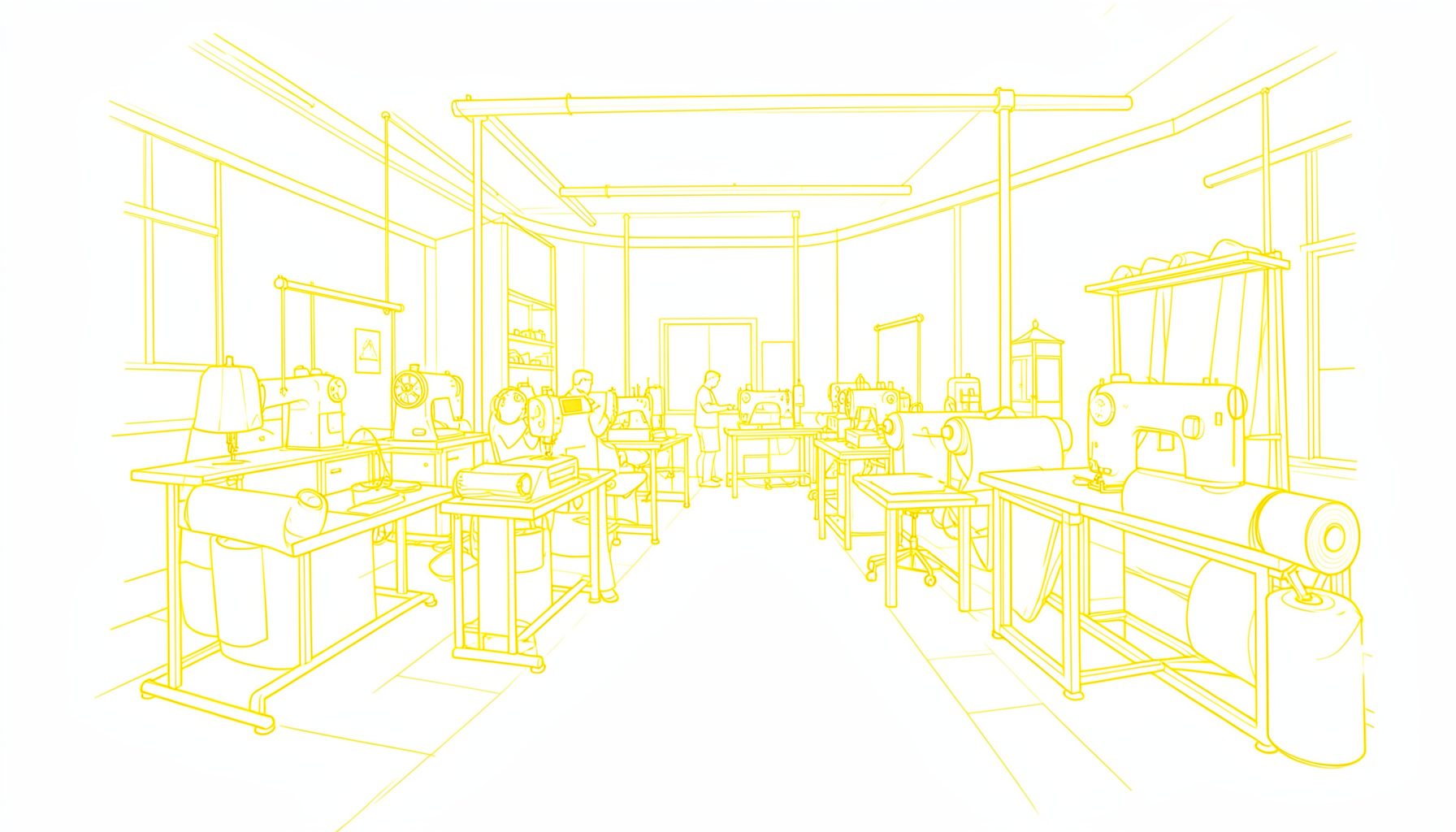





The Convention Antwerp 2021, organized back-to-back by the International Apparel Federation and Euratex, brought together industry leaders from across the global textile and apparel value chain. This joint event offered a unique platform for dialogue between European textile manufacturers and international apparel stakeholders. Held in the historic port city of Antwerp, the convention addressed the most pressing challenges facing the sector. The collaboration between these two influential organizations underscored the need for unified action across continents, as the industry navigated a period of profound transformation. Delegates from numerous countries gathered to share insights and forge new partnerships during this pivotal moment for the fashion and textile industries.
Global supply chains have faced unprecedented disruption, prompting retailers and manufacturers to reconsider long-established sourcing strategies. The convention explored how companies are restructuring their operations to build greater resilience and flexibility into their networks. Shifting consumer behaviour, accelerated by recent global events, has forced brands to adapt quickly to new patterns of demand and purchasing. The programme examined how businesses can rethink their sourcing options while maintaining efficiency and quality. These discussions provided practical perspectives on navigating the complexities of modern supply chains, from raw material procurement through to final product delivery in an increasingly uncertain trading environment.
Environmental standards have become a defining priority for the textile and apparel sector, influencing everything from production methods to consumer expectations. The conference addressed how companies are introducing more sustainable practices across their operations, responding to both regulatory requirements and market pressures. Industry representatives explored the challenges of implementing circular economy principles, reducing waste, and improving transparency throughout the value chain. The dialogue highlighted the tension between commercial imperatives and environmental responsibility, while showcasing innovative approaches that seek to reconcile these objectives. These conversations reflected a growing consensus that sustainability must be embedded into core business strategy rather than treated as an afterthought.
Digitalisation is rapidly transforming the textile and clothing industry, reshaping how companies design, produce, and distribute their products. The convention examined the impact of new technologies on traditional manufacturing processes and business models. From digital supply chain management to virtual product development, the programme explored how technology can enhance efficiency and responsiveness. Industry experts shared insights on the opportunities and challenges presented by this digital shift, including the need for new skills and investment. The discussions acknowledged that while digitalisation offers significant benefits, its implementation requires careful planning and a willingness to embrace change across all levels of an organization.
The gathering of international stakeholders in Antwerp provided a valuable opportunity for networking and knowledge exchange between industry peers. Representatives from businesses, associations, and institutions came together to share experiences and best practices. The programme was designed to facilitate meaningful dialogue through both plenary sessions and more focused breakout discussions. A networking cocktail at the end of the day allowed delegates to continue conversations in an informal setting, strengthening the connections formed during the conference. These interactions underscored the importance of face-to-face meetings in building trust and collaboration across the global textile and apparel community, particularly during a time of rapid change.